FromTheRestaurant
- 3.8
- Rating
- 100.00K
- Installs
- Free
- Price

 Analysis by App-foxy
I found FromTheRestaurant most useful in the small gap between deciding what to eat and actually arriving at the counter. It is a free Food & Drink app from Fox Ordering: Fast Ordering eXperience, built around a simple promise: place an order ahead of time instead of joining the usual queue. That sounds modest, but in the right situation it can remove the most annoying part of a quick meal.
My overall impression is that the app makes the most sense for people who already know where they want to eat and would rather spend a minute arranging the order than wait in person. It is less compelling if you are still browsing for inspiration, comparing several restaurants, or expecting a broad delivery marketplace. FromTheRestaurant feels focused on ordering directly from a participating restaurant, not on replacing every food app on your phone.
How FromTheRestaurant feels when speed matters
The main advantage is not that every screen feels dramatically faster than other food apps. The real benefit is moving the waiting time away from the restaurant. I can look through the available choices before leaving, make decisions without standing in a crowded line, and arrive with the order already in motion. That changes the experience more than a few quick taps ever could.
You May Also Like

 Pandora - Music & Podcasts
Pandora’s Music Is Easy to Start, but Harder to Recover
Pandora’s strength is its low-effort path from a seed to a station. Its weak spot is how much confidence it asks you to place in connection, setup, and quiet recovery.

 8 Ball Pool
 Is Built on Rivalries, Rematches, and Routine
A close look at the rivalries, rematches, shared routines, and unanswered safety questions that turn a quick pool match into a persistent mobile community.

 Samsung Music
’s Quiet Strength Is Playing What You Already Own
Its reach comes less from spectacle than from dependable access to a personal library. That simplicity is both the app’s strongest retention engine and its ceiling.

 AccuWeather: Weather Radar
AccuWeather Review: A Quick, Clear Forecast for Everyday Decisions
For everyday plans, the best forecast is the one you can understand quickly. AccuWeather makes rain timing, radar, and local conditions easy to act on, with a few trade-offs.

 Hill Climb Racing
Why Hill Climb Racing Still Turns Crashes Into One More Run
A tiny car, a bumpy hill and one more upgrade: Hill Climb Racing keeps resurfacing because its simple chaos makes every near-miss feel personal.

 AliExpress - Shopping App
AliExpress Makes Global Shopping Feel Personal, but Shoppers Bear the Risk
AliExpress turns a global marketplace into a pocket-sized discovery engine. Its reach is useful, its shopping loop compelling, and its trade-offs easy to miss.
More From Our News Desk
View All News


There is also a useful mental distinction here: ordering ahead is not the same as instant service. The app can help me submit an order earlier, but the restaurant still has to prepare it. I would therefore use it when I have a reasonably clear schedule, rather than treating it as a guarantee that food will be ready the moment I walk through the door. That expectation keeps the app useful instead of turning a short delay into a disappointment.
A realistic example is a workday lunch. If I have a limited break, I can choose my meal before leaving the office, send the order while I am still on the way, and spend the arrival time collecting it rather than explaining the order at the counter. The time saved is most noticeable during busy periods, when the physical queue is longer than the ordering process itself.
For a first-time user, I would not wait until I am already outside the restaurant to explore everything. The better workflow is to check the menu early, decide on substitutions or extras before the rush, and submit the order with enough breathing room. This is one of the less obvious strengths of an order-ahead app: it gives me decision-making time when I am not blocking anyone behind me.
That workflow also reveals a trade-off. If I change my mind frequently, the app can feel less convenient than simply asking someone at the counter. Digital ordering is strongest when the order is straightforward and weakest when I need a long conversation about ingredients, preparation, or unusual requests. I would use it for a familiar meal more readily than for a complicated first visit.
What the ordering flow is best at
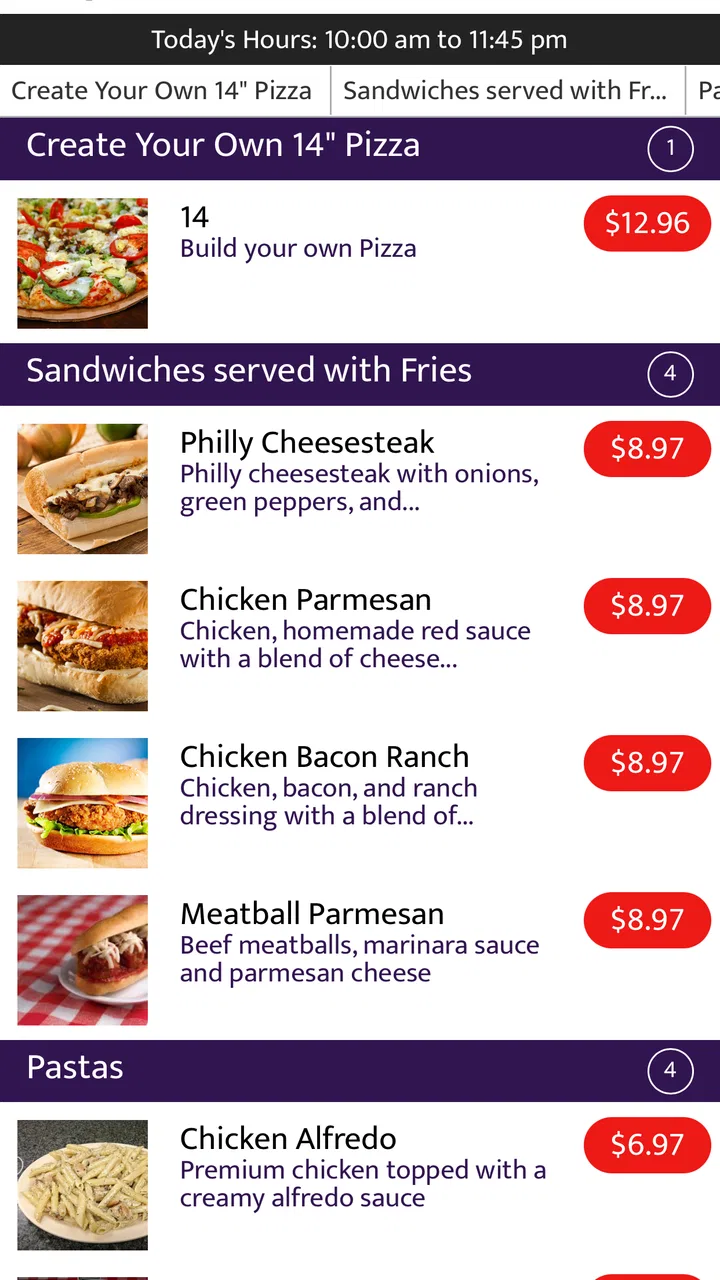
FromTheRestaurant works best as a direct route from a known restaurant to a submitted order. The store summary, “Skip the line, order ahead,” describes the practical use without suggesting that it is a full restaurant-discovery service. I would open it with a destination in mind, rather than expecting it to guide me through a city-wide list of possibilities.
That focus can make the experience feel cleaner than a large delivery marketplace. A delivery service often adds choices about delivery areas, couriers, fees, and arrival windows. Here, the appeal is the simpler pickup-oriented idea: select food, place the order, and go to the restaurant. For someone who wants food delivered to the sofa, this is the wrong tool; for someone already passing the restaurant, it can be the more direct option.
I would also avoid assuming that ordering ahead removes every possible delay. A restaurant may be handling a sudden rush, and an order can still require attention after it reaches the kitchen. The app’s value is reducing one kind of friction, not controlling the entire preparation process. That distinction matters especially when I am planning around a train, appointment, or short break.
How it handles busy periods in everyday use
Heavy-use moments are where an app like this earns its place. The strongest scenario is a predictable rush: lunch, a crowded event area, or any time I can see a line forming before I enter. Instead of competing for counter attention, I can submit the order before arriving. Even if the restaurant remains busy, I have already completed the part that usually requires standing still and waiting to speak.
There is a practical tip I would give friends: use the app before the queue becomes urgent. If I wait until I am already late, I may be tempted to rush through the menu, choose poorly, or assume that the order will be ready immediately. Sending it a little earlier gives the restaurant a fair chance to process it and gives me time to deal with any unexpected pause.
Another useful case is ordering for a small group when everyone has already agreed on what they want. One person can organize the order instead of passing phones around at the counter. That is convenient, but it also creates responsibility: I would double-check the final choices before sending anything, because a group order is more annoying to correct than a single meal.
The app is less suitable for spontaneous browsing during a crowded moment. If I need to ask about allergens, serving sizes, or possible changes, the direct digital flow may not answer the question as naturally as staff can. In that situation, the speed advantage can disappear because I still need human confirmation before ordering. I would rather accept a short conversation than guess about something important.
For repeated visits, the benefit becomes more noticeable. Once I know the restaurant and my usual order, FromTheRestaurant can serve as a quick preparation step rather than a discovery exercise. That is a different kind of convenience from a delivery app: it rewards familiarity and routine instead of encouraging endless browsing.
Stability, recovery, and what I would watch for
The app has reached version 4.16.8, and its presence on more than one hundred thousand Android devices suggests that it is not an experimental one-off. Its average rating is 3.6, which feels like a reasonable signal to keep expectations balanced. I would not read that score as proof that the app is unreliable, but I also would not assume that every restaurant, device, and ordering situation will feel equally smooth.
In practical terms, reliability matters most at the moment of payment or submission. If I am using the app during a rush, I want a clear indication that the order went through before I leave the screen. My own habit with any ordering tool is to pause after submitting, check the confirmation details, and avoid placing the same order again simply because the interface takes a moment to respond. Duplicate orders are an easy mistake when a user reacts too quickly.
If the connection becomes unstable, I would recover cautiously. First, I would check whether the order appears to have been accepted before retrying. If I cannot tell, asking the restaurant directly is safer than tapping repeatedly. This is not a criticism unique to FromTheRestaurant; it is a general weakness of digital ordering, but it matters more when the app is being used to save time.
I also prefer using it while the phone has a comfortable battery level. An order-ahead tool does not need to be running continuously, yet losing access to the screen while travelling to collect food is inconvenient. Keeping the app closed until I need it, then opening it early enough to complete the order, is a sensible compromise between convenience and resource awareness.
FromTheRestaurant is not something I would leave open all day. Its purpose is task-based: open it, choose the meal, submit the order, and move on. That makes its resource demands feel easier to manage than those of an app built around constant location browsing, video, or live tracking. Still, the exact experience can vary by phone and network, so I would judge it by whether it completes this short task reliably on my own device.
Older phones and device limitations
The minimum Android requirement is 4.4, which gives the app a broad technical reach compared with tools that demand a newer operating system. That is helpful if I am using an older spare phone or a budget device. It does not automatically mean that every older handset will feel equally responsive, though. Operating-system compatibility is only one part of the experience; memory, storage, connection quality, and the phone’s general condition can still affect loading and recovery.
On a modest device, I would keep the workflow simple. Open the app before reaching the restaurant, allow the menu to load, make the choices without switching repeatedly between several demanding apps, and keep the confirmation visible until I know the order has been accepted. This is not about chasing benchmark performance. It is about avoiding unnecessary interruptions during a short, time-sensitive task.
The app’s Everyone age rating also makes it approachable for a broad audience. In a household, that could mean a teenager can help place a family pickup order, while an older relative can use it without encountering an age-restricted food category. The rating says something about accessibility of the audience, not about whether every menu item or ordering decision will suit every person.
Storage and data use are worth considering in a general way, especially on an older phone with limited space. I would not install it solely because I visit one restaurant once; I would keep it if that restaurant is part of my routine. The app becomes more worthwhile when the saved space and setup effort are repaid by repeated line-skipping, rather than by a single occasional order.
Where it beats the usual alternatives
Compared with ordering at the counter, FromTheRestaurant gives me more control over when I make the decision. I can review the menu away from the queue and arrive with the administrative part already handled. The counter remains better when I need advice, want to negotiate an unusual request, or have questions that are difficult to express through a menu screen.
Compared with a delivery marketplace, this app appears more focused on the restaurant visit itself. That can mean less distance between the customer and the restaurant’s own ordering process, but it also means I should not choose it when delivery is the central requirement. If I want to compare many nearby businesses, track a courier, or combine restaurants in one browsing session, a broad delivery platform may be more convenient.
Compared with calling the restaurant, the app is less dependent on getting through to a busy phone line and gives me a written order flow to follow. A phone call is still better for detailed questions, accessibility needs, or requests that do not fit neatly into a menu. My choice would depend on whether speed and a clear standard order matter more than conversation.
One of the more important trade-offs is flexibility versus efficiency. The app can make a familiar order quick, but a human interaction can handle ambiguity better. I would not force every meal through FromTheRestaurant just to avoid a queue. The best use is selective: use the app when the order is clear and timing matters, and use the counter or phone when accuracy depends on discussion.
Who should use it regularly
I would recommend FromTheRestaurant to commuters, office workers, students, and anyone who repeatedly visits a restaurant that supports the service. It is especially useful for predictable pickup routines, where I already know what I want and can place the order before walking over. The free price makes trying that routine low-risk, provided the participating restaurant is one I actually use.
It may also help people who dislike crowded queues or find it easier to make food choices privately. Reviewing the menu at my own pace is a small but meaningful improvement over deciding while other customers wait behind me. For group meals, the ability to prepare the order in advance can reduce confusion, as long as one person carefully checks the final selection.
I would skip it if I mainly want home delivery, restaurant discovery, or extensive personal guidance. I would also hesitate if my orders regularly involve complex substitutions or questions about ingredients. In those cases, the app’s directness becomes a limitation rather than a strength, and a conversation with restaurant staff is the safer option.
My performance verdict
FromTheRestaurant is a focused Food & Drink app rather than an all-purpose food platform. In my experience, its perceived speed comes from changing the timing of the order, not from promising that the restaurant can prepare food instantly. That makes it genuinely useful during predictable queues, especially when I already know what I want and can submit the order before arriving.
The app’s broad Android compatibility and free access lower the barrier to testing it, while the 3.6 average rating encourages a realistic view: it is worth trying for a specific restaurant routine, but I would not depend on it blindly for a critical appointment or an extremely tight schedule. I would confirm the order, allow a little preparation time, and keep a backup plan when timing matters.
My final recommendation is straightforward. If your goal is to order directly from a restaurant and reduce counter waiting, FromTheRestaurant is a practical tool with a clear everyday purpose. Use it for familiar meals, busy lunch periods, and organized pickups. Choose a delivery marketplace for delivery and broad discovery, or speak with the restaurant when your order needs detailed explanation. Used in the situation it is designed for, this app can make a short meal stop feel noticeably more controlled.
FAQs for FromTheRestaurant
01What is FromTheRestaurant, and how does it work?
FromTheRestaurant is a food delivery app that connects users with a wide range of local restaurants. Users can browse menus, place orders, and have meals delivered straight to their doorsteps. The app features user-friendly navigation, secure payment options, and real-time tracking of your delivery, ensuring a seamless dining experience.
02Do I need to create an account to use FromTheRestaurant?
Yes, creating an account is necessary to use FromTheRestaurant. An account allows you to save your favorite restaurants, view past orders, and manage payment methods. Sign-up is quick and easy, requiring only basic information such as your name, email, and a secure password.
03Are there any delivery fees or hidden charges when using FromTheRestaurant?
FromTheRestaurant applies a delivery fee that varies based on the distance between your location and the restaurant. While the app strives for transparency, it's important to review the order summary for any additional charges, such as service fees or surcharges, before confirming your purchase.
04How does FromTheRestaurant ensure the quality and safety of the food delivered?
FromTheRestaurant partners with reputable local restaurants known for quality and hygiene standards. The app allows customers to rate and review their experiences, providing feedback that helps maintain high standards. Additionally, delivery personnel follow strict guidelines to ensure safe handling and transportation of your meals.
05Can I schedule a delivery for a later time with FromTheRestaurant?
Yes, FromTheRestaurant offers the flexibility to schedule deliveries. You can select a preferred delivery time during the checkout process, making it convenient to plan meals in advance. Ensure you double-check the available timeslots to ensure your order arrives when you need it.
Pros
- User-friendly interface that’s easy to navigate.
- Wide variety of cuisines to choose from.
- Real-time order tracking feature.
- Customizable order options available.
- Regular updates with new restaurants.
Cons
- Limited delivery areas in some locations.
- Occasional app crashes reported by users.
- High delivery fees during peak hours.
- Some menu items have inconsistent pricing.
- Limited customer support during weekends.

FromTheRestaurant
Gallery